 Image 1 of 2
 Image 2 of 2
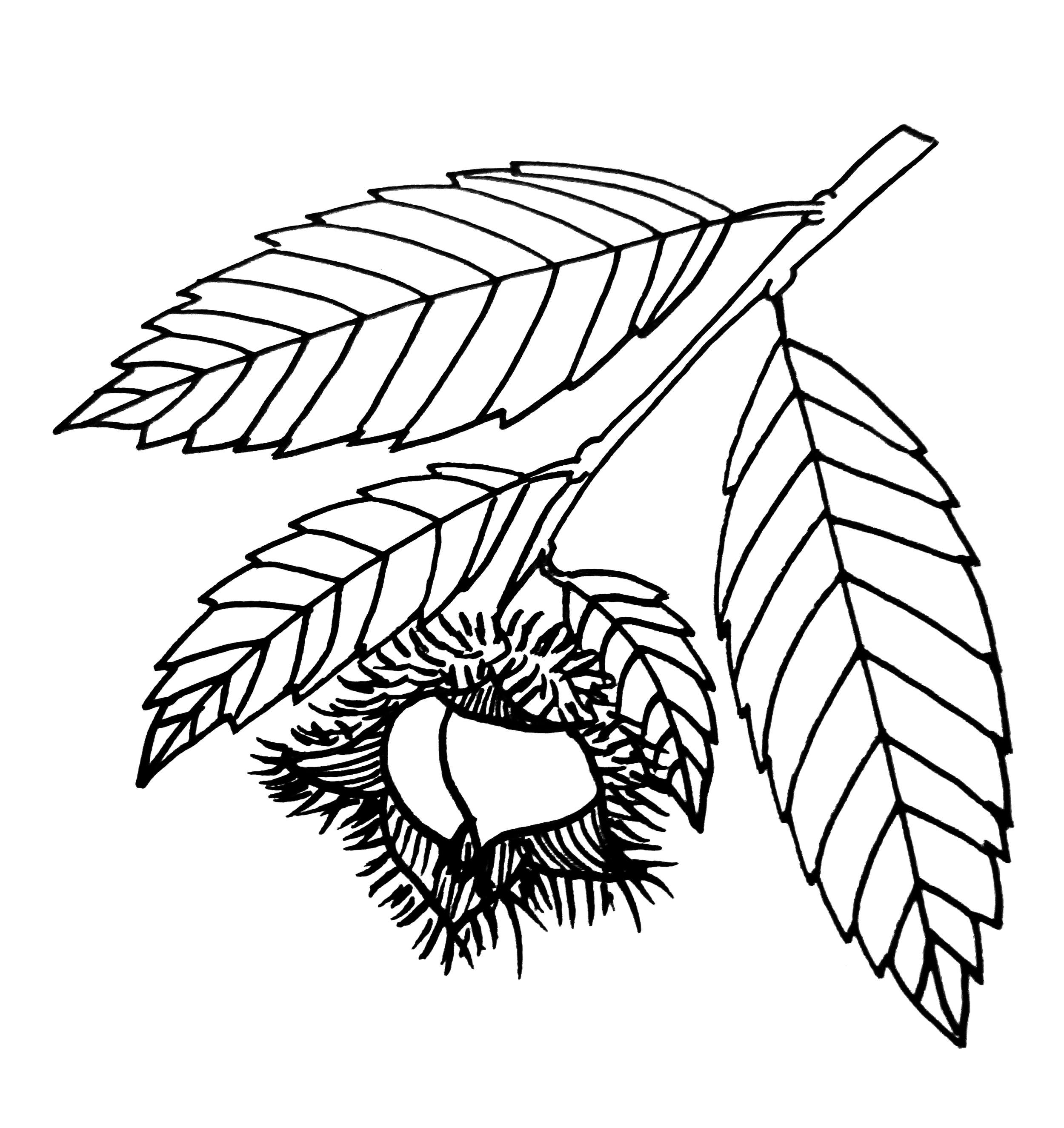
Castanea mollissima is a large deciduous tree belonging to the huge family Fagaceae. This is one of our exceptions to the ‘native’ category, being native to China, Korea and Taiwan. We wanted to include it as a replacement for the native American chestnut, now basically extinct. The edible nut matures in September inside a spiny husk. Resistant to chestnut blight.
Growing conditions: Full sun (6 or more hours of direct sunlight a day), well drained to dry soil, likes acid.
Size at maturity: 15’-20’
Uses: Currently, the USA imports the vast majority of its chestnut demand. We believe that the chestnut will once again regain its status as a major staple crop in the next decade or two. If you’ve ever eaten a sweet and chewy chestnut fresh from being roasted on some coals on an open fire in autumn, you’ll see why we believe this. No wonder they wrote a Christmas song about this tree.
USDA Hardiness Zone: 4-8
Castanea mollissima is a large deciduous tree belonging to the huge family Fagaceae. This is one of our exceptions to the ‘native’ category, being native to China, Korea and Taiwan. We wanted to include it as a replacement for the native American chestnut, now basically extinct. The edible nut matures in September inside a spiny husk. Resistant to chestnut blight.
Growing conditions: Full sun (6 or more hours of direct sunlight a day), well drained to dry soil, likes acid.
Size at maturity: 15’-20’
Uses: Currently, the USA imports the vast majority of its chestnut demand. We believe that the chestnut will once again regain its status as a major staple crop in the next decade or two. If you’ve ever eaten a sweet and chewy chestnut fresh from being roasted on some coals on an open fire in autumn, you’ll see why we believe this. No wonder they wrote a Christmas song about this tree.
USDA Hardiness Zone: 4-8